




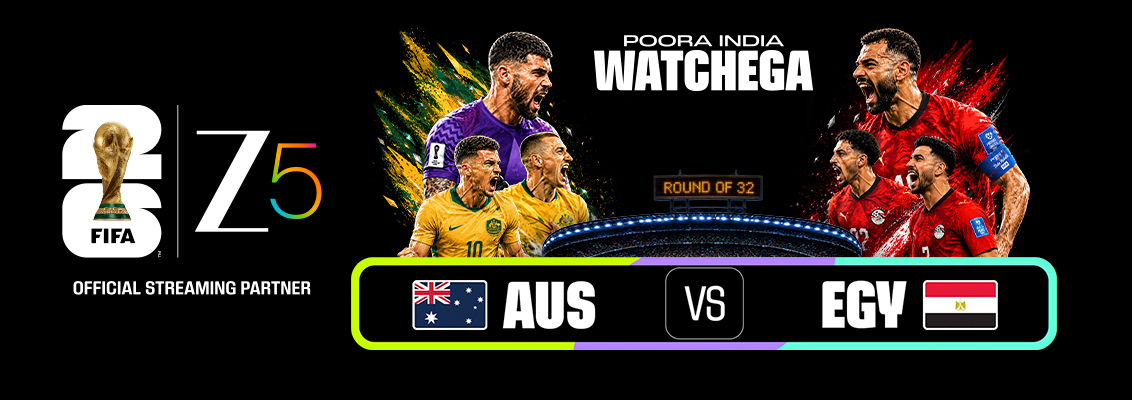
Round of 32 | Dallas Stadium | Friday, 3 July — 11:30 PM IST
How They Line Up
Australia — 3-4-2-1
Australia has arranged its formation in different ways depending on its opponent. But one thing is constant: Beach between the posts. Herrington, Souttar, and Circati primarily play as the back three — Souttar the organising presence whose return from a long Achilles injury has been one of the quieter stories of this Australian campaign. Bos was used as a left back in Australia’s opening two group games before Popovic shifted the shape for the Paraguay decider and gave him a more advanced role on the right flank. Behich on the left. Jackson Irvine and O’Neill as the central midfield pairing: Irvine the deeper anchor, covering the ground and winning the ball that allows the system to breathe; O’Neill providing the link to the attacking midfield positions. Connor Metcalfe has played both from the right and the left of the two attacking positions; Marco Volpato plays as another attacking midfielder. Nestory Irankunda leads the line — the position he moved into against Paraguay after spending Australia’s first two matches as a wide midfielder, and the role from which his acceleration and composure in behind create the greatest damage to a backline.
Egypt — 4-2-3-1
Shoubir in goal. Fatouh at left-back, Fathy and Ibrahim as the centre-back pairing — Fathy the more experienced of the two and the organising voice in the defensive line — Hany at right-back. Lashin and Attia in the double pivot: Lashin the more aggressive of the two, pressing the receiving moments in the middle third and disrupting the tempo before it establishes; Attia sitting narrower to provide the defensive cover behind Lashin’s press. Emam Ashour plays primarily on the left of the three attacking midfielders, Mohamed Salah through the middle as the technical link between the lines, and Zico on the right. Omar Marmoush leads the line: quick, direct, the first pressing trigger when Egypt defend from the front, and a consistent second scorer when Salah draws the primary defensive attention.
Watch the FIFA World Cup 2026™ live in India on ZEE 5. Choose the ₹799 quarterly plan or the ₹1,699 annual plan to stream every match of the tournament.
The Battles That Will Decide This Match
Mohamed Salah vs Souttar and Circati — This is where the match will be decided in the first half. Salah operates from the number 10 position. But Salah, being who he is, drifts into the half-space. Every time Australia advances in an attacking sequence, and Egypt wins the ball back, the question is who covers that right corridor when Salah receives the ball on the counter. If Salah gets two or three clean touches in the inside channel in the opening 30 minutes, he sets the match’s tempo and Egypt attack with their best player in his best position.
Nestory Irankunda vs Fathy & Ibrahim — Egypt’s centre-back pairing has been the defensive foundation of Hossam Hassan’s group stage campaign. Fathy and Ibrahim communicate well, hold their defensive line consistently, and make it difficult for lone strikers to find the receiving position between them and the double pivot. Irankunda, as Australia’s focal attacker, is a different proposition than the Egyptian defensive pairing will have faced in the group stage: not a physical hold-up target, not a deep-lying orchestrator, but a 20-year-old with the acceleration to go from stationary to in-behind in a movement that leaves centre-backs in recovery mode. If Fathy and Ibrahim track his movement collectively and force the ball back to Irvine or O’Neill at the midfield line, Irankunda becomes isolated and Australia’s attack stalls. If Irankunda drops into a blind spot between the lines and receives turned, or if Metcalfe arrives in the space Fathy has vacated, Egypt’s backline faces the exact sequence they’ll have spent the week preparing for.
Tactical Breakdown
Popovic’s 3-4-2-1 is designed to press quickly and transition with numbers in behind. When Australia win possession in their own half, the wingbacks push immediately; Metcalfe and Volpato drive forward in the attacking midfield zone; and Irankunda times his run off the last defender — either in behind for the long pass or dropping short to receive and lay off to the runners arriving from deeper positions. Against Egypt’s 4-2-3-1 with a structured defensive line, the key Australian sequence is: Irvine or O’Neill wins the ball, plays immediately to Metcalfe or Volpato, and Irankunda goes in behind Fathy or Ibrahim before the Egyptian backline can drop into a compact defensive shape. That transition worked well against Paraguay. Whether it works against an Egyptian defence that has kept cleaner lines through the group stage is the central tactical question of Thursday night.
Egypt’s defensive 4-2-3-1 compresses into a mid-block and releases through Salah and Marmoush when the ball is won. Lashin and Attia protect the central zone; when Attia wins possession, the first pass targets Salah in the wide-to-inside channel on Egypt’s left before Australia’s wingbacks can recover their defensive positions. The danger moment in this match for Popovic’s system is the five seconds after Bos commits into Egypt’s half and Australia lose the ball. If Attia releases Salah in that corridor immediately, Australia’s back three faces a situation where the nearest covering player is Souttar dropping from central defence — covering the width of the right channel with one centre-back rather than a specialist wide defender. Egypt’s counter-attacking sequences from central midfield turnover are their most dangerous attacking mechanism, and the mechanics of the Australian 3-4-2-1 create the conditions for exactly that sequence to develop.
ZEE 5 is the official streaming home for the FIFA World Cup 2026™ in India. Australia vs Egypt kicks off at 11:30 PM IST on 3 July — check available ZEE 5 FIFA subscription plans and stream the match live.
Disclaimer: Subscription pack prices are subject to change from time to time. Please visit the subscription page for the most up-to-date pricing information.