





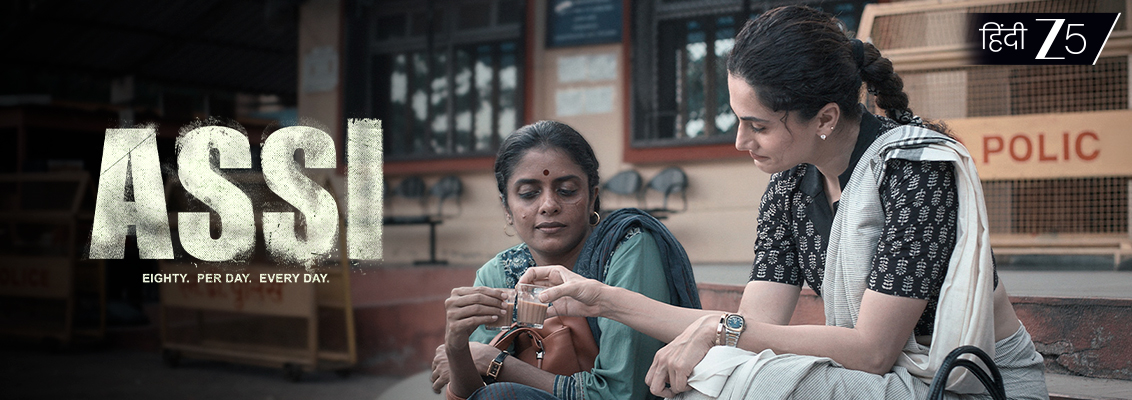
You don’t realise you’re following rules until you try to break one. Stay out late once. Speak up once. Choose differently once, and suddenly, there are questions. Not about the situation, but about you. That’s the unpleasant truth behind society’s expectations of women. They don’t just guide behaviour, they define it. And the moment you step outside them, the shift is immediate.
This is where the Assi movie stands out. It doesn’t just tell a story; it makes you recognise patterns you’ve already seen, maybe even experienced. It shows that expectations are not always loud or obvious; they quietly determine who is questioned, who is believed, and who is held responsible. That’s what gives this story its edge. It’s not distant. It’s familiar.
The Expectations That Don’t Need to Be Said
No one hands you a list. But over time, it becomes clear:
- Be careful where you go.
- Be mindful of how you behave.
- Avoid situations that could go wrong.
Individually, these sound like advice. Together, they form a system of expectations.
This is why many Hindi movies that explore real issues feel relatable: they are built on behaviours people recognise instantly.
- “It’s not about what happened… It’s about what you should have done.”
That line explains everything.
The emphasis shifts quickly, from the situation to the individual. Instead of asking what went wrong, the question becomes what could have been avoided. That shift is subtle, but it changes how responsibility is perceived.
How Assi Reflects This Without Simplifying It
The Assi film does not explain society. It lets you observe it.
The Assi plot shows how conversations develop, how questions are framed, and how quickly expectations surface when something goes wrong. It doesn’t dramatise. It reflects.
This is what places it among movies based on social issues and social drama movies that focus on lived reality rather than artificial narratives.
When Responsibility Becomes One-Sided
One of the clearest outcomes of these expectations is the distribution of responsibility.
- Plan your movements.
- Adjust your timing.
- Stay alert at all times.
Over time, these become habits. Not because they are always necessary, but because they are expected.
This is why the topic connects with women-centric Bollywood movies and female-led Bollywood films that focus on common experiences rather than ideal scenarios.
Why These Expectations Continue
If these patterns are so widely recognised, why don’t they change?
Because they are frequently framed as protection.
Advice like “be careful” sounds reasonable. But when repeated constantly, it shifts the focus away from larger issues, like infrastructure, accountability, and response.
Across narratives like the Assi courtroom drama, you see how systems operate and how responsibility is often redirected. This is where the film coincides with justice system movies, Indian cinema, and Hindi-language legal drama.
The Line Between Guidance and Control
There is a difference between helping someone stay safe and limiting what they can do.
When advice becomes constant, it starts to shape choices.
When expectations become rigid, they start to restrict freedom.
This is why the conversation belongs within meaningful Bollywood cinema and realistic Indian cinema, where nuance matters more than clear answers.
Why This Thought Matters Now
The Assi movie does not try to resolve this conversation. It makes it visible.
It shows how expectations are not just external. They become internal. They influence decisions before situations even arise.
And once you recognise that, it becomes difficult to ignore.
Where to Watch Assi
The Assi movie OTT release brings this conversation closer to you. Following the confirmed Assi movie release date, it is now streaming on ZEE5 from the Assi OTT release date of 17th April.
If you’ve only had glimpses through the Assi trailer or Assi movie trailer, the full experience comes through the Assi full movie. Get your ZEE5 subscription now and watch it.
Final Take
The conversation around society’s expectations of women is not about a single moment; it’s about a pattern.
A pattern that decides how situations are interpreted, how questions are asked, and where responsibility is placed.
The Assi movie doesn’t offer a solution, but it offers something more important. It shows you what you’ve been overlooking.
And once you see it clearly, you cannot go back to ignoring it. If this feels familiar, don’t dismiss it. Pay attention to it now, because this is not simply a story; it’s a reality that keeps repeating.
FAQs
1. What are society’s expectations of women when it comes to safety and behaviour?
Society often expects women to be cautious, responsible, and always aware. These expectations are framed as safety measures but can place disproportionate responsibility on individual behaviour.
2. How does the Assi movie highlight society’s expectations of women?
The film reflects how quickly conversations shift from the situation to the individual, showing how expectations influence judgement, response, and accountability.
3. Why is it important to question these expectations today?
Questioning these expectations helps shift the focus from individual responsibility to systemic change, creating a somewhat balanced and realistic approach to security and responsibility.