

Numbers can tell us how many lives they affected. They can measure the scale of a tragedy, fill reports, and become part of history books. But numbers can never tell us who those people were. They cannot describe a mother’s endless wait, a child’s unanswered questions, or a family’s hope that refused to fade.
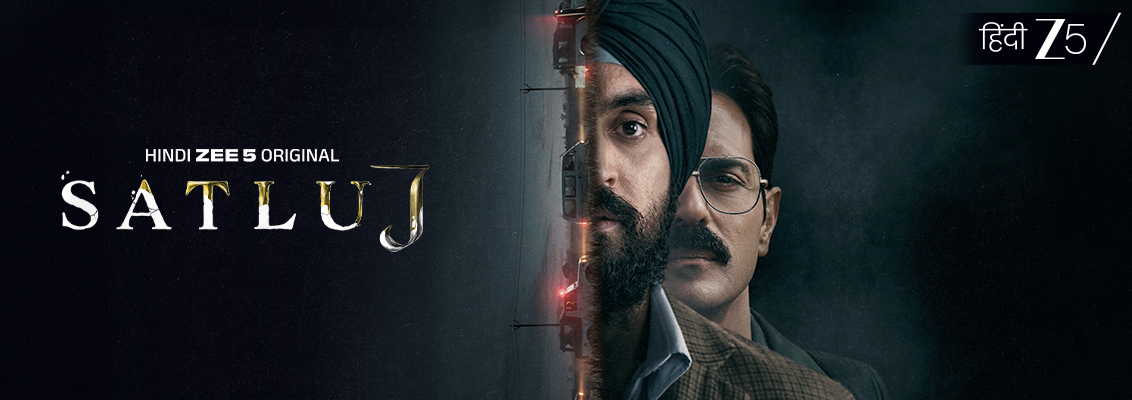
That is where Satluj, now streaming on Zee 5, finds its emotional strength. Inspired by the life of Jaswant Singh Khalra, the film reminds us that every statistic has a name, every number has a face, and every forgotten life deserves to be remembered. Humanity in Satluj isn’t hidden in grand speeches or dramatic scenes; it’s present in every quiet moment that reminds us why one person’s story can speak for thousands.
Why Humanity Is the Heart of Satluj
At first glance, Satluj feels like an investigative thriller built around a search for answers. But as the story unfolds, it becomes clear that the investigation is only one part of the film. The real heart of the narrative lies in the people whose lives are forever changed.
The film never allows viewers to forget that behind every clue is a family waiting for closure. Every unanswered question belongs to someone who continues to hope. Every discovery carries emotional weight because it is connected to lives that mattered.
That is what makes Satluj different. It doesn’t ask audiences to focus solely on what happened. It asks them to think about who it happened to.
That shift changes everything.
Why ‘25,000 Was Never a Number’ Is the Soul of the Film
Some campaign lines promote a film.
Others define it.
“25,000 Was Never a Number” is one of those rare lines that captures Satluj’s entire emotional journey in just a few words.
It challenges the way we often look at history. We remember dates, events, and figures because they are easy to record. But behind every statistic is someone who laughed with friends, celebrated festivals with family, made plans for the future, and expected tomorrow to arrive like any other day.
Satluj gives those unseen lives the dignity of being remembered as people, not just numbers.
The film gently reminds us that the true impact of any tragedy cannot be measured solely by statistics. It can only be understood through the human stories left behind.
How Satluj Makes Every Emotion Feel Personal
One of the biggest strengths of Humanity in Satluj is that it refuses to distance the audience from its characters.
Instead of presenting events from afar, the film brings viewers closer to the emotions that shape every decision. The uncertainty, the fear, the hope, and the determination all feel deeply personal because ordinary people facing extraordinary circumstances experience them.
Khalra’s journey becomes more than an investigation. It becomes a reflection of empathy in action. His search isn’t driven by recognition or personal ambition; it is driven by the belief that every unanswered question deserves to be heard and every family deserves the dignity of knowing the truth.
That emotional honesty creates a connection that stays with audiences long after the film ends.
The People Behind the Story Matter More Than the Headlines
History often remembers major events through headlines, reports, and official records. While those are important, they rarely tell the complete story.
- What about the parents who kept waiting?
- The families who refused to lose hope?
- The loved ones who continued believing that answers would one day come?
Satluj chooses to share that perspective.
It reminds viewers that every historical event leaves behind countless personal journeys that often remain unseen. By giving space to those emotions, the film ensures that the tragedy’s scale never overshadows the people behind the events.
This human perspective is what makes the narrative so powerful. Rather than asking audiences to observe history, it encourages them to feel it.
Why Humanity Always Outlives Numbers
Statistics may explain what happened, but stories explain why it matters.
That is the lasting message of Satluj.
Long after the investigation unfolds, what remains is not the number of people affected; it is the memory of individuals who loved, dreamed, struggled, and hoped just like everyone else. Their humanity becomes impossible to ignore because the film never lets them fade into the background.
In doing so, Satluj reminds us of something incredibly simple yet profoundly important: history is ultimately about people. The numbers help us understand the scale, but the stories help us understand the pain, the courage, and the resilience.
That is why the film resonates so deeply. It replaces distance with empathy and statistics with human connection.
A Story That Asks You to Remember People, Not Numbers
The greatest achievement of Humanity in Satluj is not that it tells an important story; it is that it changes the way audiences experience it.
By placing people at the centre of every moment, the film ensures that viewers leave remembering faces rather than figures, emotions rather than headlines, and courage rather than fear. It becomes a reminder that behind every statistic is a life that deserves to be acknowledged and a family that deserves to be remembered.
As Satluj streams on Zee 5, it offers more than an investigative thriller. It offers an opportunity to look beyond the numbers and reconnect with the humanity that gives every story its true meaning.
FAQs
- What is the central message of Humanity in Satluj?
The film highlights that every statistic represents real people, real families, and real emotions, encouraging audiences to look beyond numbers and connect with the human stories behind them.
- Why does Satluj focus on emotions instead of just the investigation?
The investigation forms the narrative, but the emotional journeys of the people affected give the story its lasting impact and make it deeply relatable.
- How does Satluj balance suspense with emotional storytelling?
The film combines a compelling investigation with heartfelt character moments, ensuring that the suspense never overshadows the people at the heart of the story.