





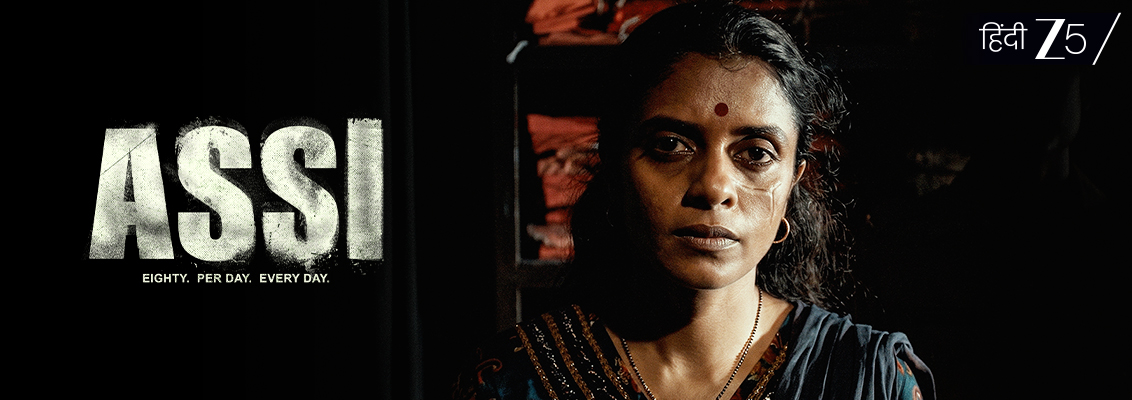
The question shows up almost immediately after an incident. What was she doing there? Why was she alone? Why that time? Before the situation is even understood, the direction of the conversation shifts. That’s where the real issue with women’s safety in India begins, not just in what happens but in how it is interpreted.
This is what makes this discussion difficult to ignore. Because it’s not simply about safety, it’s concerning accountability. The Assi movie doesn’t simplify this debate. It reflects how quickly blame moves, how easily responsibility is reAssigned, and how deeply these patterns are embedded in everyday thinking. That’s what places it among social drama movies and social issue films that feel less like fiction and more like observation.
Where the Blame Shifts First
In many situations, the first reaction is not about the act: it’s about the individual.
- Why was she there?
- Why was she alone?
- Why didn’t she take precautions?
These questions may sound logical, but they quietly shift responsibility. Instead of asking what went wrong in the system, the focus turns to what could have been avoided.
This is a recurring theme across Hindi movies that attempt to explore real-world issues, but the Assi film presents it without exaggeration; it simply lets you see it.
- “The incident is questioned… but the person is judged.”
That distinction matters.
It shows how quickly narratives change. The moment the focus moves from the situation to the individual, the conversation is no longer about safety. It becomes about behaviour.
What Women’s Safety in India Actually Means
When we talk about women’s safety in India, it’s often reduced to precautions:
- Be careful
- Stay alert
- Avoid certain situations
But safety is not only about prevention. It is about:
- How quickly help is available
- How systems respond
- Whether accountability is consistent
This is why the topic corresponds with realistic Indian cinema and meaningful Bollywood cinema, where safety is explored as a system, not just a situation.
How Assi Reflects This Reality
The Assi movie does not directly answer the question. It shows you why it exists.
The Assi plot focuses on what happens after an incident. How long does it take for processes to move? How dialogues develop. How responsibility is framed.
This is where it connects with justice system movies, India, and Hindi-language legal drama. It doesn’t offer solutions. It highlights patterns.
The Difference Between Advice and Accountability
Advice is often given with good intentions.
- Don’t go out late.
- Stay in safe areas.
- Be aware of your surroundings.
But over time, advice can turn into expectation.
And expectation might turn into responsibility.
This is where the balance shifts. Instead of improving systems, the emphasis stays on adjusting behaviour. This is a recurring theme in women-centric Bollywood movies and female-led Bollywood films that reflect everyday realities.
Why This Debate Still Exists
If awareness is increasing, why does the question remain, Galti ladki ki ya society ki?
Because the answer is uncomfortable.
It requires looking past individual behaviour and questioning larger structures, law enforcement, infrastructure, and response systems.
Across the Assi courtroom drama, you see how these layers operate. It is not only about one event. It is about how everything around it functions.
The Gap Between Responsibility and Reality
You can take precautions.
You can follow every piece of advice.
And still, something can go wrong.
That gap is important.
It shows that safety cannot rely solely on individual effort. It requires systems that are reliable, responsive, and accountable.
This is why the conversation fits within social issue Hindi film narratives as well as hard-hitting Hindi movies that focus on impact rather than comfort.
Where to Watch Assi
The Assi movie OTT release brings this conversation closer to you. Following the confirmed Assi movie release date, it is now streaming on ZEE5 from the Assi OTT release date of 17th April.
If you’ve only watched glimpses through the Assi trailer or Assi movie trailer, the full impact arrives through the Assi full movie. Get your ZEE5 subscription immediately and watch it now.
Final Take
So, when we ask, Women’s Safety in India: Galti ladki ki ya society ki?
The answer is not one or the other.
But the direction of the question matters. Because as long as responsibility keeps shifting towards individuals, the larger issues remain untouched.
The Assi movie doesn’t resolve this debate, but it makes it visible.
And if this is something you’ve seen, heard, or experienced, don’t dismiss it as routine. Question it now because change begins with what we choose to acknowledge.
FAQs
- What is the biggest challenge to women’s safety in India today?
The biggest challenge is the gap between awareness and accountability. While precautions are emphasised, system-wide problems such as response times and infrastructure frequently remain inconsistent.
- Why is blame often Assigned to women in safety discussions?
Because it is easier to question individual behaviour than to address larger institutional gaps. This creates a pattern where responsibility is unevenly distributed.
- How can the conversation around women’s safety in India improve?
By moving attention away from individual precautions to collective accountability, including stronger systems, better infrastructure, and consistent response mechanisms.