





Pankaj Tripathi’s viral dance did something very few performances have achieved. It introduced millions of Indians to a forgotten folk-art form called Launda Naach. What started as a graceful, emotionally powerful performance quickly became a cultural conversation across social media and OTT platforms.
Dressed in traditional feminine attire, with expressive eyes, fluid gestures, and emotional depth, Pankaj Tripathi’s performance piqued viewers’ curiosity about the history and meaning of Launda Naach. Suddenly, people across India were searching for this traditional folk performance from Bihar and eastern Uttar Pradesh.
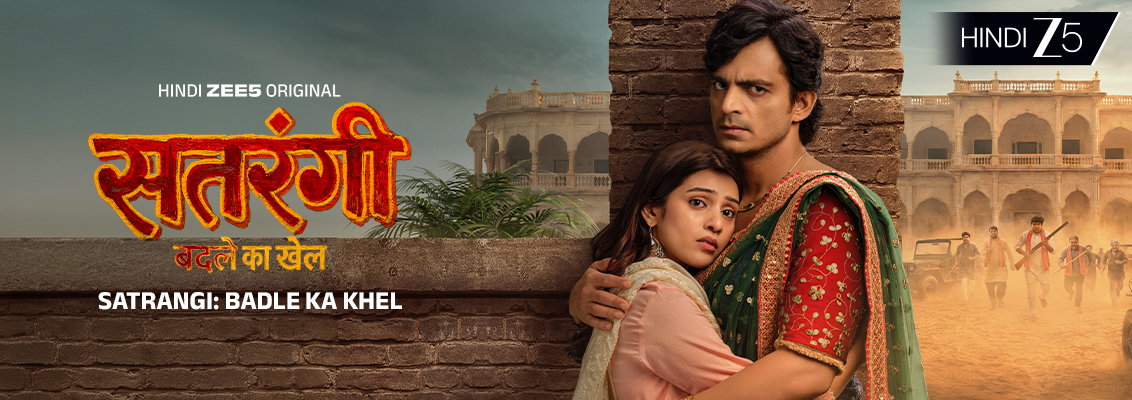
At the same time, the Hindi-language crime thriller web series Satrangi: Badle Ka Khel on ZEE5 has been bringing similar attention to the emotional reality behind Launda Naach performers. This collaboration of viral performance and dramatic storytelling creates a unified movement, helping mainstream audiences understand the dignity, artistry, and struggle behind this deeply rooted folk tradition.
Why Pankaj Tripathi’s Viral Dance Became So Important
The biggest reason Pankaj Tripathi’s viral dance connected with audiences was sincerity.
He did not perform Launda Naach for comedy or parody. Instead, he embraced the art form with grace, emotional honesty, and respect. His expressions, movements, and body language reflected the emotional depth associated with traditional Launda Naach performances.
That authenticity changed how people viewed the art form.
For many urban viewers, Pankaj Tripathi’s viral dance became their first real introduction to the following:
- Bhojpuri folk performance,
- Launda Naach culture,
- and the emotional storytelling behind rural folk arts.
The viral performance sparked discussions about folk traditions that had long remained invisible in mainstream entertainment.
Want to understand the more profound social meaning behind Launda Naach? Read our blog post about how folk art challenges traditional gender norms in rural India.
What is Launda Naach?
Launda Naach is a traditional folk-art performance popular in Bihar and eastern Uttar Pradesh.
In this art form, male performers dress as women, perform dance and songs, use satire and humour, and present emotional storytelling during weddings and community celebrations.
The form became widely popular through Bhikhari Thakur, often called the Shakespeare of Bhojpuri. He used Launda Naach to address social issues such as caste discrimination, migration, poverty, alcoholism, and social injustice.
Despite its cultural importance, Launda Naach performers often faced social stigma, ridicule, economic struggles, and disrespect.
That is why Pankaj Tripathi’s viral dance became culturally important. It helped audiences see the art form with dignity instead of mockery. The emotional reality behind Launda Naach performers is explored powerfully through Bablu Mahto in Satrangi: Badle Ka Khel. Explore our detailed character analysis next.
How Satrangi: Badle Ka Khel Humanises Launda Naach Performers
While Pankaj Tripathi’s viral dance drew mass attention, Satrangi: Badle Ka Khel takes the conversation further, delving deeply into the real-life challenges and emotional complexity of Launda Naach performers.
Premiering on May 22, 2026, the ZEE5 original follows Bablu Mahto, played by Anshuman Pushkar, who is forced into the world of Launda Naach after his father is murdered by the powerful Singh family.
The Satrangi: Badle Ka Khel story explores caste politics, emotional trauma, social stigma, revenge, and identity through the life of a Launda Naach performer.
Unlike many mainstream portrayals, Satrangi: Badle Ka Khel presents Launda Naach performers as emotionally layered human beings instead of comic side characters.
The series shows:
- the pain behind the makeup,
- the emotional burden behind the dance,
- and the dignity behind the performance.
Curious about how OTT platforms are preserving regional culture? Check out our blog on how Satrangi: Badle Ka Khel is reviving rooted Indian narratives.
Why Bablu Mahto’s Journey Feels So Powerful
The emotional centre of Satrangi: Badle Ka Khel is Bablu Mahto. Bablu initially enters Launda Naach only for survival. But slowly, the stage becomes his emotional release, his identity, and his silent rebellion.
Every performance carries grief, rage, and vulnerability hidden beneath the costume.
This emotional realism makes Satrangi: Badle Ka Khel feel different from regular Hindi crime thriller web series. The show combines rural crime drama, emotional storytelling, social commentary, and folk culture into one layered narrative.
Folk artists often remain invisible despite preserving cultural traditions for generations. Read our blog on the unseen heroes behind rural India’s entertainment landscape.
How Pankaj Tripathi’s Viral Performance Changed the Conversation Around Launda Naach
Before Pankaj Tripathi’s viral dance brought Launda Naach to the forefront, mainstream audiences often misunderstood or reduced the folk art form to stereotypes. Many people saw only the costumes and exaggerated performances, without understanding the tradition’s history, emotional depth, and cultural identity.
That perception began to shift when Pankaj Tripathi performed with sincerity, grace, and emotional honesty, rather than treating the art form as comedy. His performance introduced audiences to the discipline, expression, and emotional intensity of Launda Naach, helping viewers look beyond the surface for the first time.
More importantly, the viral moment started conversations around masculinity, gender expression, and identity in Indian folk culture. It reminded audiences that traditional art forms can challenge social conditioning while remaining deeply rooted in regional heritage.
That growing curiosity and acceptance are exactly why Launda Naach remains culturally relevant today and why stories like Satrangi: Badle Ka Khel feel important in the current OTT landscape.
Satrangi: Badle Ka Khel Release Date and Cast Details
Directed by Jai Basantu Singh, Satrangi: Badle Ka Khel is set to stream on ZEE5 from May 22, 2026. The Hindi-language crime thriller web series features Anshuman Pushkar in the lead role as Bablu Mahto, alongside a strong supporting cast including Kumud Mishra, Aarti Singh, Mahavash, Kajal Chauhan, Pranjal Pateriya, Manu Bisht, Pankaj Jha, Yashpal Sharma, Sanjay Sonu, and Satyakam Anand.
What makes the cast stand out is how naturally they fit into the series’ world. The performances feel raw, restrained, and emotionally believable, adding authenticity to the rural setting and the emotional conflicts explored in Satrangi: Badle Ka Khel. Instead of relying on exaggerated drama, the series appears to focus on grounded storytelling and emotionally layered characters shaped by caste politics, grief, survival, and revenge.
How OTT Platforms Are Giving Folk Traditions a Second Life
For years, many Indian folk traditions stayed limited to villages, local festivals, and regional audiences. Younger generations slowly moved away from these art forms as mainstream cinema and urban entertainment took over popular culture. OTT platforms are now changing crimethat reality.
Streaming platforms like ZEE5 are bringing regional stories, folk performances, and rural narratives to audiences who may never have experienced them before. Through Hindi web series, Bihar-based crime dramas, emotionally rooted rural thrillers, and regional OTT originals, these platforms are helping forgotten traditions return to mainstream conversations.
Satrangi: Badle Ka Khel is one of the strongest examples of this shift. Instead of using Launda Naach as a background detail, the series places this folk art form at the emotional centre of the story. That approach allows audiences to connect with the people, struggles, and emotions behind the performance rather than viewing it as outdated rural entertainment.
This is what makes modern OTT storytelling important. It is not only about preserving regional culture but also about helping viewers rediscover the emotional depth, identity, and social realities hidden within traditional Indian art forms.
From Viral Performance to Cultural Recognition
The impact of Pankaj Tripathi’s viral dance goes beyond entertainment. It helped create curiosity, empathy, and respect for an art form that mainstream audiences rarely understood.
At the same time, Satrangi: Badle Ka Khel continues that conversation by showing the emotional and social reality behind Launda Naach performers.
Together, they are helping India rediscover a folk tradition that deserves recognition, dignity, and cultural respect.
Looking for crime dramas with depth, emotion, and realism? Stream Satrangi: Badle Ka Khel and explore a diverse collection of Hindi and regional web series on ZEE5.
FAQs
Why did Pankaj Tripathi’s viral dance become popular?
Pankaj Tripathi’s viral dance became popular for its emotional sincerity, graceful performance, and respectful portrayal of Launda Naach, which introduced many viewers to the folk art form for the first time.
What is Satrangi: Badle Ka Khel about?
Satrangi: Badle Ka Khel is a Hindi-language crime thriller web series on ZEE5 that follows Bablu Mahto, a Launda Naach performer seeking revenge after his father’s murder while dealing with caste discrimination and social stigma.
What is Launda Naach?
Launda Naach is a traditional folk-art performance from Bihar and eastern Uttar Pradesh, where male performers dress as women and perform dance, songs, satire, and emotional theatre during village celebrations and weddings.