





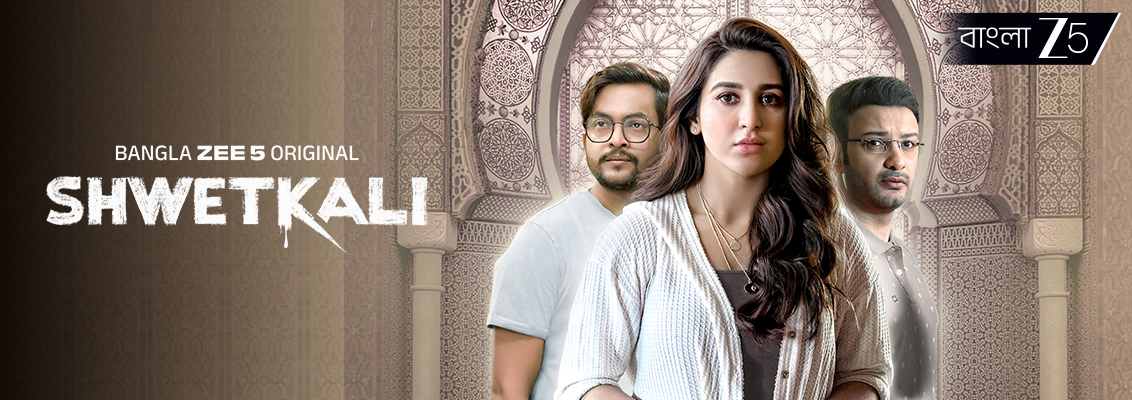
The Zee 5 Super Family Fest brings you the All Access + Sports Pack at 50% OFF! But don’t wait too long! This Diwali vacation, don’t just stop at one Bengali series when you can binge them all on Zee 5. From gripping mysteries like Shwetkali to thrilling dramas and stories that keep you hooked, your festive binge-watch list is sorted! The offer ends on 11th November, so grab it before it’s gone and make your Diwali holidays all about great Bengali entertainment!

While much of India illuminates homes to welcome Goddess Lakshmi on the night of Diwali, the landscape across West Bengal transforms into a different kind of spiritual spectacle. The night sky flickers not just with festive lights, but under the deep reverence of Kali Puja. Here, the fierce, midnight-dark form of the Divine Mother takes center stage.
This distinct regional tradition blends ancient Tantric roots, profound philosophical symbolism, and a rich tapestry of folklore elements that continue to fuel modern Bengali pop culture, including psychological Bengali web series like the web series Shwetkali 2.
The Roots of Kali Puja on Amavasya
The convergence of Diwali and Kali Puja occurs on the pitch-dark night of the Kartik Amavasya. While pan-Indian traditions celebrate Lord Rama’s triumphant return to Ayodhya, Bengal’s focus on Goddess Kali stems from deep-seated philosophical and mythological traditions.
According to sacred lore, Kali emerged in her most fearsome avatar often associated with the destruction of fierce demons like Raktabeej or Shumbha-Nishumbha to restore cosmic balance. Her iconography is stark: jet-black skin symbolising the infinite, unmanifested void, a garland of skulls representing liberation from the ego, and her foot resting gently on Lord Shiva. This final posture captures the moment her blinding rage was quelled by divine consciousness, shifting her identity from a terrifying force of annihilation to Ma ‘The Mother’.
Historically, large-scale public Kali Puja gained immense traction in 18th-century Bengal under the patronage of zamindars and spiritual luminaries like Ramakrishna Paramahamsa. For Bengalis, worshipping the dark mother on the darkest night of the year is an intimate act. It is a reminder that light cannot exist without the dark, and that true spiritual awakening requires confronting and overcoming one’s inner fears.
From Ancient Rituals to Modern Thrillers: The Inspiration Behind Shwetkali
The eerie atmosphere deeply guarded ancestral secrets, and obscure rituals surrounding Kali worship have long served as fertile ground for Bengali folklore and ghost stories. This unique cultural fascination with the occult and rural estate mysteries is precisely what powers gripping fiction like the Zee 5 thriller series Shwetkali.
The thriller series centering around an old, secluded rajbari (mansion) in a fictional North Bengal village plays heavily on regional architectural and ritualistic tropes. At the heart of the mystery is an unusual white idol of Goddess Kali (Shwetkali) hidden within the mansion’s walls, unearthing a centuries-old curse, unexplained deaths, and dark family secrets.
In traditional Hindu iconography, Kali is almost universally depicted as black or deep blue, signifying the formless void. The concept of a ShwetKali 2 departs from standard scripture, pushing into the realm of localised Tantric folklore, forbidden worship, and blood-soaked ancestral guilt. Shows like Shwetkali tap into this exact psychological space where deep-rooted religious traditions intersect with human greed, fear, and suspense.
Why the Lore Endures
Whether it is the midnight rituals of Kali Puja that light up Kolkata or fictional explorations of cursed estates and forgotten deities, Bengal’s connection to the Divine Mother remains intensely visceral. It proves that folklore is never truly static; it evolves from ancient mythic battles into modern storytelling, keeping the enigma of the dark goddess alive in the collective consciousness.


