





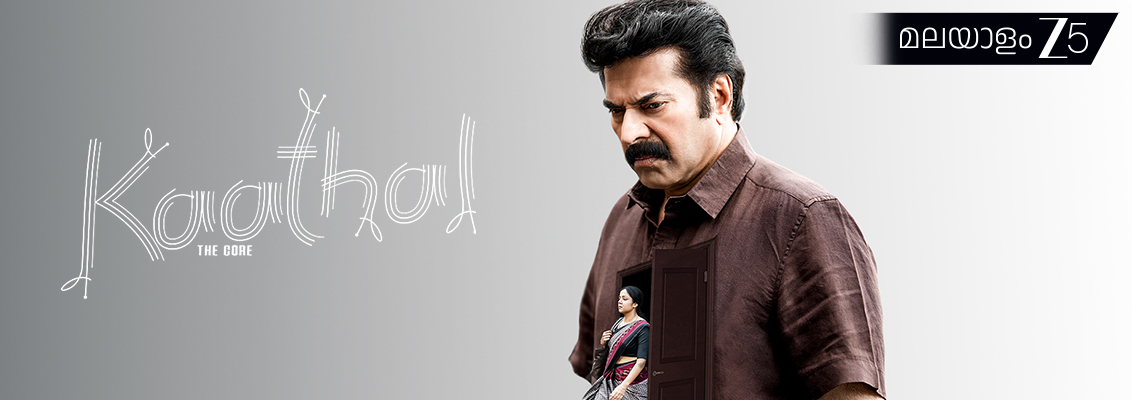
What if the most honest thing a relationship can do is end? That’s the disturbing, quietly powerful question Kaathal: The Core leaves you with. This isn’t just a film you watch and move on from. It’s one you sit with, replay, and rethink your own definitions about love and commitment. If you’re coming in expecting a typical resolution from a Kaathal the core movie, the ending will surprise you, not because it shocks, but because it feels uncomfortably real.
The Ending Isn’t About Who Wins, It’s About Who Stops Pretending
On the surface, the Kaathal: The Core plot unfolds as a divorce courtroom drama, rooted in a tense family court trial. But by the time you reach the end, you realise the courtroom was never the real battleground.
The Kaathal: The Core story leads us to a point where truth is no longer avoidable. Mathew Devassy’s reality is not exposed to drama. It simply surfaces, as it inevitably would. That’s what makes this sexuality-revelation drama stand apart from conventional Indian courtroom dramas. There is no dramatic breakdown, no coerced resolution. Just a silent acceptance that some truths cannot coexist with the life built around them.
And that’s the film’s edge: it replaces closure with clarity.
Mammootty as Mathew Devassy: A Life Lived in Silence
Within the Kaathal, the core cast, Mammootty delivers one of the most restrained performances of his career. If you’ve followed Mammootty movies, you’ll notice how much he holds back here, and that restraint becomes the performance.
Mathew Devassy is not written as someone conflicted in the traditional sense. He is composed, controlled, and deeply aware of the life he has built. But the ending reveals the cost of that control. When the truth finally stands in the open, there is no dramatic collapse, just a quiet shift from concealment to acceptance.
It’s a depiction that changes vulnerability.
Jyothika as Omana: The Strength of Walking Away
Jyothika plays Omana with a lucidity that anchors the film. In many Malayalam family movies, a character in her position could be driven by anger or confrontation. Here, she is driven by a wish to understand.
Her decision at the end is not about punishment. It’s about release. Within this political family drama, she becomes the voice of emotional truth. She recognises what the relationship cannot be and, instead of forcing it to continue, chooses honesty.
That choice is what gives the ending its emotional power.
The Supporting World That Makes It Believable
The film’s strength also lies in how naturally the world around the central characters is built. Performances by Anagha Maya Ravi, Chinnu Chandni, and Muthumani add emotional context, showing how personal decisions spread outward.
Actors like Kalabhavan Haneef and Sudhi Kozhikode ground the narrative in a familiar social space, while Alex Alister, Joji John, Josey Sijo, Pooja Mohanraj, and R.S. Panickar lend authenticity to the world.
This focus on detail is why the ending doesn’t feel cinematic. It feels lived.
What the Ending Really Says About Modern Relationships
The ending of Kaathal: The Core doesn’t try to comfort you. Instead, it indicates a change in how relationships are being understood today.
It suggests that:
- A relationship built on silence will eventually confront its truth.
- Social approval cannot replace personal authenticity.
- Ending something can be an act of honesty, not failure.
In contrast to louder drama movies or more familiar Malayalam comedy movies, this film leans towards emotional realism. It stands alongside the more thoughtful Malayalam social dramas and family court dramas that prioritise truth over spectacle.
This is why it feels relevant, not simply as cinema, but as a reverberation of real life.
Why This Ending Stays With You
If the ending has left you thinking, that’s intentional. It’s also why the conversation around Kaathal: The Core review has been so layered; people aren’t just reacting to the film, they’re interpreting it.
To fully grasp its impact, it’s worth exploring how this performance fits into Mammotty’s evolving choices. Mammootty’s Most Daring Roles: Why Kaathal: The Core Defines His Second Act offers a deeper look into that shift.
At the same time, Breaking the Peace: How Kaathal Challenges the ‘Ideal Family’ Image expands on the social lens via which this story unfolds, making the ending feel even more relevant.to wat
Where to Watch Kaathal: The Core
If you’re still wondering where to watch Kaathal: The Core, the film is available on ZEE5 following its release and continues to gain attention on OTT.
This is not a film you watch passively. To comprehend its ending, you need to experience every moment that leads to it. So if you haven’t yet, take the time to watch Kaathal: The Core because the conversation around it is only getting stronger.
Final Take
The ending of this Kaathal movie doesn’t offer a resolution. It offers recognition. It reflects the quiet, complicated realities in contemporary relationships, where truth is often delayed, but never absent.
And that’s exactly why you shouldn’t wait to experience it. Watch it now, before the conversations define it for you.
FAQs
- What does the ending of Kaathal: The Core actually mean?
The ending reflects acceptance rather than resolution. It shows that living truthfully is more important than maintaining appearances, especially within a relationship that no longer matches reality.
- Is Kaathal: The Core based on a real story?
While not directly based on a specific real-life case, the film draws heavily on real social relations, making it feel authentic and believable within the Malayalam drama genre.
- Where can I watch Kaathal: The Core?
You can watch Kaathal: The Core on ZEE5 as part of its Kaathal: The Core OTT release, following its official premiere.