





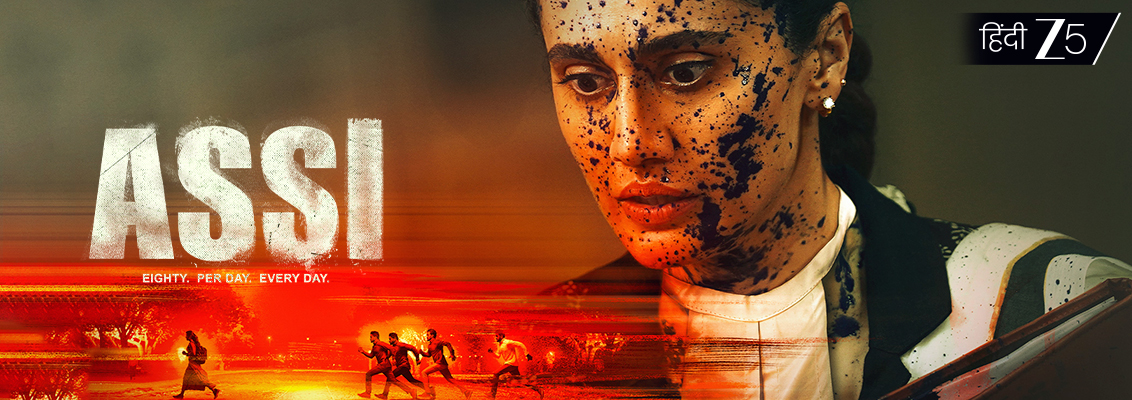
It usually starts as a routine decision: book a cab, check the OTP, and sit back. But somewhere between the ride starting and reaching your destination, there’s often a moment where you glance at the route again or tighten your grip on your phone. If you’ve ever asked yourself, “Is Uber Safe for Women?”, you already know this isn’t just about transport. It’s about trust, control, and how safe you actually feel when you’re alone.
That’s the edge of this conversation. Because safety in cabs is not about whether the app works: it’s about whether you feel secure using it every single time. The Assi movie taps into this larger discomfort. It doesn’t talk about cabs directly, but it reflects the deeper issue: systems exist, but the feeling of safety doesn’t always follow.
Is Uber Safe for Women in India? The Real Answer
There isn’t a simple yes-or-no.
Ride-hailing apps like Uber and Ola have introduced multiple safety features:
- Verified driver profiles
- Real-time GPS tracking
- SOS emergency buttons
- Trip sharing options
These features are important. But the real question is, do they always translate into confidence?
Because safety is not only about what’s built into the system. It’s about how reliable it feels in real situations.
- “It’s not the app… it’s the situation you’re in that decides how safe you feel.”
That’s where the uncertainty comes from.
You’re not just trusting a platform; you’re trusting a person, a route, a moment. This is why the conversation around social drama and social issue movies regularly feels familiar. It’s not fiction. It’s a reflection.
What You Can Do to Stay Safer in a Cab
Instead of relying only on the platform, focus on what you can control:
- Verify driver and vehicle details before entering.
- Share your ride status with someone you trust.
- Sit in the back seat, ideally behind the driver.
- Keep your phone accessible at all times.
- Follow the route on your map, not just the driver’s.
These are not extreme steps. They are practical habits that give you more control over the situation.
How Assi Reflects the Bigger Safety Question
In the Assi movie, the focus is not on the incident. It’s on what follows. The Assi plot explores how systems respond when something goes wrong and how long it takes for accountability to take effect.
Taapsee Pannu, as Advocate Raavi, represents that system, measured and structured but not always immediate. Among Taapsee Pannu’s movies, this role stands out for bringing out the gap between process and experience.
At the same time, Kani Kusruti, as Parima, represents lived reality. Her presence reminds you that safety is not only about prevention. It’s about what happens after something goes wrong.
Why This Question Still Exists
If safety features are improving, why do women still ask, “Is Uber safe for women?”
Because the answer isn’t simply technical; it’s emotional.
Across the Assi courtroom drama, you see the following:
- Delays in response
- Questions directed at survivors
- A system that appears slower than the situation demands
This is where the film corresponds to justice system movies, Indian cinema, and Hindi-language legal drama. It shows why trust takes longer to build than features do.
The Cast That Makes This Feel Real
The depth of this story comes from the Assi movie cast:
- Taapsee Pannu as Advocate Raavi – controlled, observant, manoeuvring the system
- Mohd Zeeshan Ayyub – bringing grounded realism and continuing the depth seen in Mohd Zeeshan Ayyub’s movies
- Kani Kusruti as Parima – grounding the story in emotional truth
This Assi cast ensures the film feels rooted in reality, matching female-led Bollywood films and realistic Indian cinema.
Safety Is Not a Feature; It’s a Feeling
This is what often gets missed.
You can have all the features in the world, but if you still
- Check your location repeatedly.
- Stay alert throughout the ride.
- Feel relief only after reaching it.
Then your safety is still incomplete. This is why the conversation strikes a chord with meaningful Bollywood cinema and Hindi film narratives on social issues.
Where to Watch Assi
The Assi movie’s OTT release makes this story available to a wider audience. Following the confirmed Assi movie release date, it is now streaming on ZEE5 from the Assi OTT release date of 17th April.
If you have only had glimpses of the Assi trailer or Assi movie trailer, the full impact is felt in the Assi full movie. Get your ZEE5 subscription today, then watch it now.
Final Take
So, is Uber safe for women?
The better question is, do you feel safe every time you use it?
The answer lies somewhere between systems and experience. And until both align, the question will persist.
The Assi movie doesn’t give you a direct answer, but it makes you understand why the question matters.
If this is something you’ve thought about before, don’t ignore it. Pay attention, stay aware, and take control where you can.
FAQs
1. Is Uber safe for women in India during late hours?
It can be safe if precautions are followed, such as verifying driver details, sharing trip information, and staying alert. However, safety also depends on the situation, the location, and the level of awareness during the ride.
2. What should you do if you feel uncomfortable during a cab ride?
Use the app’s SOS feature immediately, share your live location, and ask the driver to stop in a crowded or well-lit area. Trust your instinct and act without hesitation.
3. Are ride-hailing app safety features enough to ensure protection?
They help, but they are not a complete solution. Personal awareness, quick decision-making, and the effectiveness of systems in responding are all vital to real safety.