





You don’t always realise when a film stops being “just a film”. It happens quietly, when a scene feels too familiar, when a dialogue stays longer than expected, or when you recognise something from your own life reflected on screen. That’s where Women Safety Awareness Through Cinema becomes more than a concept. It becomes a question of whether cinema shows reality or shapes how we grasp it.
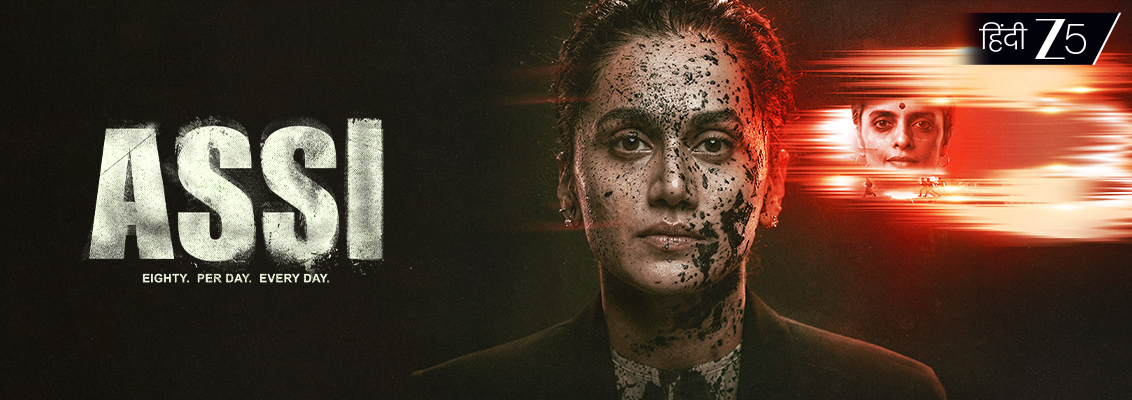
Because the truth is, cinema doesn’t exist in isolation. It observes, absorbs, and sometimes amplifies what already exists in society. The Assi movie sits right in that space. It doesn’t try to reduce women’s safety to dramatic moments; it reflects the everyday patterns, silences, and disturbing facts that people often overlook. That’s what makes it stand out among social drama movies and those based on social issues that aim to do more than entertain.
Does Cinema Reflect Reality or Create It?
This is where the debate begins.
Cinema can:
- Reflect real experiences
- Mould public perception
- Influence conversations
But it can also simplify or dramatise situations for impact.
The question is not whether cinema reflects reality, but how accurately it does it. This is why discussions around Hindi movies that explore safety often feel divided. Some create awareness, while others risk making serious issues into spectacles.
- “Sometimes, what you see on screen is what you’ve already learned to ignore.”
That’s the power of reflection.
When cinema mirrors reality without exaggeration, it forces recognition. It makes you observe patterns you’ve normalised. This is where Women’s Safety Awareness Through Cinema becomes meaningful, not as a message, but as a realisation.
How Assi Reflects Women’s Safety Without Exaggerating It
The Assi film does not rely on dramatic incidents to make its point. Instead, it focuses on what happens around them, conversations, responses, and systems.
The Assi plot explores the following:
- How situations are discussed
- How responsibility is assigned
- How systems respond over time
This is what places it within realistic Indian cinema and meaningful Bollywood cinema. It doesn’t try to shock. It tries to stay honest.
Cinema as a Starting Point for Awareness
Awareness doesn’t always come from information. Sometimes, it comes from perspective.
Films can:
- Highlight issues that are often ignored.
- Create empathy through storytelling.
- Start conversations that go beyond the screen.
This is why sexual assault awareness movies and issue-based Hindi films have a lasting effect: they not only tell stories but also spark essential conversations.
Where Cinema Falls Short
At the same time, cinema has its limitations.
- It cannot replace real systems.
- It cannot provide immediate solutions.
- It cannot fully capture lived complexity.
This is why awareness alone is insufficient; reflection must drive action. Narratives like the Assi courtroom drama emphasise process over incidents to illus trate that recognising an issue and responding to it are separate steps.
Why This Conversation Matters Today
As conversations around safety continue to evolve, the role of cinema becomes more important.
It can:
- Bolster existing perspectives
- Challenge outdated thinking
- Encourage accountability
This is what connects the topic to Hindi film narratives about social issues and hard-hitting Hindi movies that focus on impact rather than comfort.
Where to Watch Assi
The Assi movie OTT release brings this conversation closer to you. Following the confirmed Assi movie release date, it is now streaming on ZEE5 from the Assi OTT release date of 17th April.
If you’ve only had glimpses through the Assi trailer or Assi movie trailer, the full experience comes through the Assi full movie. Get your ZEE5 subscription today, plus watch it now.
Final Take
So, does cinema reflect reality?
Sometimes, it does more than that. It reveals what we’ve stopped noticing.
The conversation around Women’s Safety Awareness Through Cinema is not about seeking answers. It’s about recognising patterns and questioning what feels normal.
The Assi movie doesn’t tell you what to think, but it makes it harder to look away.
If this is something you’ve seen, felt, or questioned, don’t treat it as just another discussion. Pay attention to it now because awareness only matters if it leads somewhere.
FAQs
- How does cinema contribute to women’s safety awareness?
Cinema creates awareness by reflecting real-life situations and encouraging conversations. Storytelling helps audiences understand issues beyond headlines.
- Can films actually change how people think about women’s safety?
Films can influence perception and start discussions, but change depends on how those conversations translate into action and awareness beyond the screen.
- Why is realistic storytelling important in women’s safety awareness through cinema?
Realistic storytelling avoids exaggeration and focuses on authentic experiences, making it easier for audiences to relate, recognise patterns, and engage with the issue seriously.