





Film festivals aren’t just red carpets and flashbulbs. They’re more like giant listening rooms—places where a movie either holds people in their seats or loses them to the nearest espresso line. And when an Indian film clicks there, it’s not because it “explains India.” It’s because it lands as cinema first: mood, craft, character, and that tiny jolt in your chest when a scene feels true.
What’s changed in the last couple of decades is the range. Indian films now show up on global stages wearing all kinds of skins—noir, romance, courtroom tension, folk horror, quiet longing—without apologising for their accents. These selections earned notice on the world stage, and Kennedy arrived that night, soaked in the neon spirit of festival favour.
To widen your search—crowd favourites, hidden pieces, and all points between—visit the movies library and watch new movies for recent entries that may drive future film talk.
Kennedy (Neo-Noir Crime Thriller)
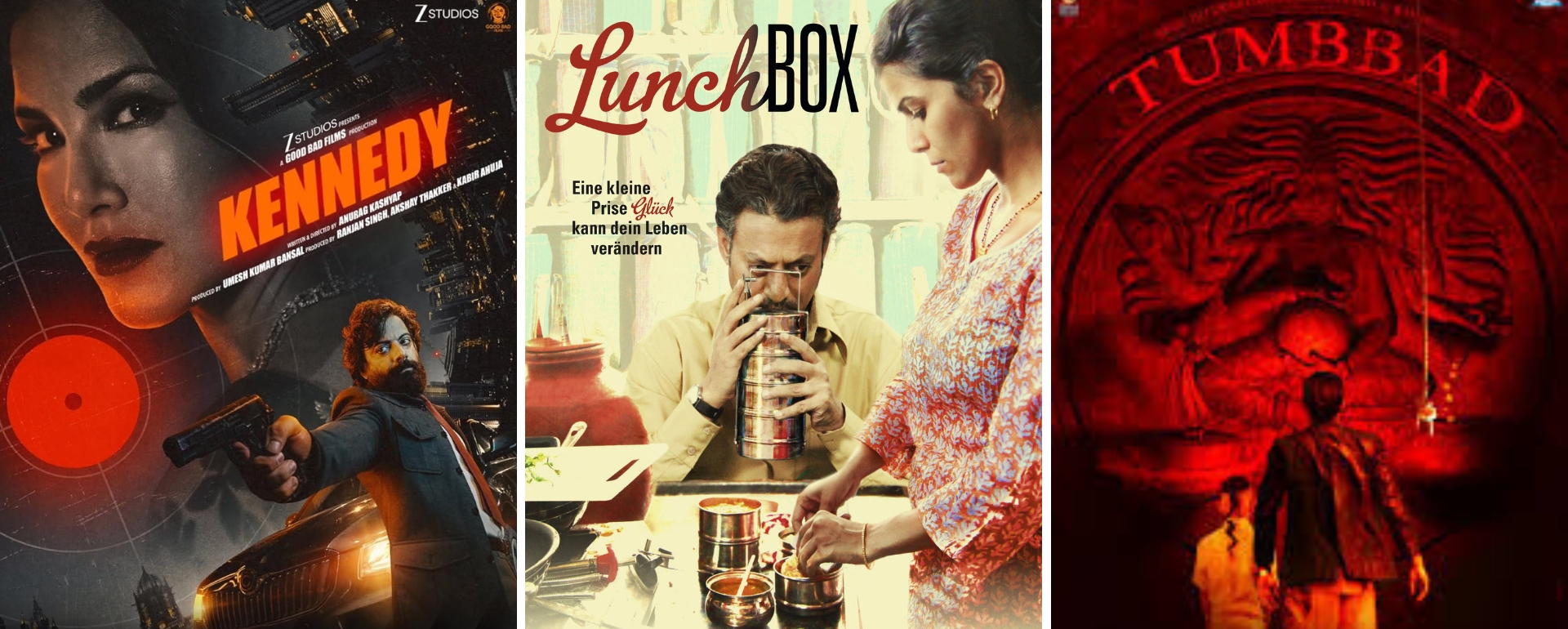
Anurag Kashyap sent Kennedy into the festival world with restless energy. Cannes screened it in the Midnight slot, where it found a tense crowd. Rahul Bhat leads as a driver who hides blood and revenge behind calm eyes. Sunny Leone plays a singer who senses a threat without warning. Lights glare from narrow streets, and buildings here loom close. The noir feeling grips tight and refuses release.
All We Imagine as Light (Intimate Urban Drama)
At Cannes, Payal Kapadia introduced a film that feels like listening to someone speak from the heart. Kani Kusruti, Divya Prabha, and Chhaya Kadam root it in daily sorrow and strength. They present Mumbai as a living force—tight streets, shared rooms, kindness that appears without plan. If you seek character‑driven drama movies with deep feeling, this one remains long after the credits.
The Lunchbox (Small Moments, Deep Feeling)
Irrfan Khan and Nimrat Kaur create magic through letters and longing. The film played at Cannes Critics’ Week and confirmed that honest stories reach people everywhere. Nawazuddin Siddiqui adds humour with edge and depth. It holds a Hindi movie mood, mirrors common life, creates a connection, and leaves a trace of tender sorrow.
Masaan (Poetic Coming-of-Age Drama)
At Cannes, Masaan hit like a soft song with a sharp lyric. Vicky Kaushal and Richa Chadha bring raw honesty to a film that balances grief, caste pressure, and the strange mercy of second chances. It’s not “festival-y” in a pretentious way; it’s festival-y because it trusts silence. If you’ve ever wanted cinema that feels like a bruise healing in slow motion, this is your kind of drama movies—no false comfort, no cheap tears.
Court (Courtroom Realism)
Chaitanya Tamhane’s Court premiered at Venice and didn’t shout to be heard. It simply observed—how systems delay, how paperwork becomes punishment, how ordinary people are swallowed by procedure. Strong work from Vira Sathidar and Vivek Gomber drives the film forward. It reveals social cracks like a clear scan. Certain intense films mirror documentary movies, even with written scripts. Marathi movies often produce bold stories that stay close to ground reality.
The Disciple (Music, Obsession, and Quiet Self-Destruction)
Also Venice-loved, The Disciple (with Aditya Modak at the center) is about dedication that turns into a cage. It’s not a loud cinema. It’s the sound of practice rooms, doubt, and years slipping by while you chase perfection. The festival response made sense: the story is very specific—Indian classical music culture—yet the feeling is universal.
Tumbbad (Folk Horror That Travelled International)
Venice welcomed Tumbbad because it’s genre cinema done with craft and conviction. Sohum Shah leads a world of greed, curses, and rain-soaked dread where myth feels more real than morality. It’s horror, fantasy, and history braided together—exactly the kind of bold filmmaking that pulls international crowds toward Indian thriller movies with a darker spine.
Monsoon Wedding (Family Chaos, Global Applause)
Mira Nair’s Venice-winning gem is proof that “wedding film” can carry both colour and consequence. Naseeruddin Shah and Shefali Shah shape a world where warmth and strain share the same room. People everywhere respond to its clear honesty. Jokes in this movie land with truth. Love carries weight here, and harsh realities leave marks. The movie lifts your mood for a moment, then makes you look again at family ties.
Salaam Bombay! (Street-Level Story That Cannes Couldn’t Ignore)
Mira Nair comes again, bringing a film that cuts since it refuses comfort. Salaam Bombay! moved Cannes with its harsh look at children on edges. It’s not “crime” in a punchy-thriller way, but the street reality is brutal enough to fit beside the darkest crime movies in spirit. The performances feel lived-in, not performed, which is exactly why the world listened.
Pather Panchali (The Classic That Opened Doors Worldwide)
Satyajit Ray’s Cannes-recognised masterpiece is the foundation stone for Indian art cinema abroad. It doesn’t chase drama; it finds it in dust, poverty, and small joys that refuse to die. The beauty is in the details—wind through fields, a child’s curiosity, a family holding itself together with threadbare hope. It’s a timeless reminder that cinema from Bengali Movies has long been speaking a language the world understands: humanity.
Visaranai (Tamil Power in World Cinema)
Vetrimaaran launched Visaranai onto the world stage through bold storytelling. The film exposes abuse and control within the system. Dinesh and Samuthirakani anchor the pain. Each scene tightens your chest. The ending leaves you still. You think. You question. If your search moves past Hindi, begin with Tamil movies. That field has created fierce festival cinema that challenges comfort.
Why These Films Landed Abroad
Different decades, different languages, different styles—yet the same reason they travelled: they felt honest. Kennedy brought noir swagger and wounded souls. Court and Salaam Bombay! brought realism that doesn’t blink. Tumbbad proved that genre can be art. Pather Panchali showed poetry can live in ordinary life. And the newer voices—All We Imagine as Light, The Disciple, Masaan—reminded the world that India’s best storytelling often lives in the spaces between big events: a glance, a pause, a choice you can’t take back.


