





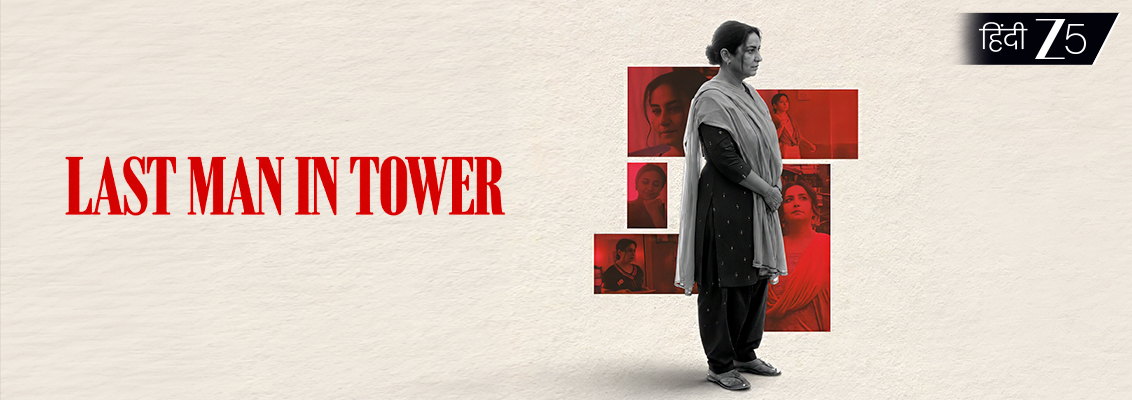
Few contemporary Indian authors have written about ambition, inequality and changing cities quite like Aravind Adiga. His stories often place ordinary people inside systems that push them towards difficult choices, which is also what makes them so compelling on screen. With the Zee 5 Super Family Fest, viewers can now explore Last Man In Tower with the All Access + Sports quarterly plan at ₹399 for 3 months, or ₹133 per month. Full Zee 5. Half Price.

Among the most widely recognised Aravind Adiga books, The White Tiger and Last Man in Tower have both made the journey from page to screen. While the stories are very different, both adaptations retain Adiga’s interest in class, ambition and the pressures created by a rapidly changing India.
The White Tiger Put Aravind Adiga on the Global Map
The White Tiger is the novel most closely associated with Aravind Adiga.
Published in 2008, the book won the Man Booker Prize and follows Balram Halwai, whose journey through class and ambition offers a sharp look at social inequality in India. The novel later became a film written and directed by Ramin Bahrani.
The screen adaptation stars Adarsh Gourav, Rajkummar Rao and Priyanka Chopra Jonas, turning one of the most famous Indian novels adapted into movies into a dark and energetic social drama.
Why The White Tiger Worked So Well on Screen
One reason The White Tiger translates effectively to film is the strength of Balram’s perspective.
The story is driven by ambition, social hierarchy and the desire to escape a life decided by circumstances. Those themes give the adaptation the feel of a character-driven drama movie while still keeping the larger social commentary intact.
Bahrani also had an unusually close connection with the source material. He and Adiga had known each other since college, and Adiga even dedicated the original novel to him.
That familiarity helped the movie preserve the voice and intensity that made the book so distinctive.
Then Came Last Man In Tower
Last Man in Tower takes Adiga’s storytelling into a very different part of urban India.
Instead of following an individual trying to rise through society, this story centres on a Mumbai housing community facing redevelopment. At its heart is Masterji, a retired teacher whose refusal to accept a property deal creates growing tension among the residents around him.
The Last Man In Tower movie adapts Adiga’s novel into a Hindi social drama starring Manoj Bajpayee, Boman Irani and Divya Dutta. Ben Rekhi directs the film, which is available on Zee 5.
Manoj Bajpayee Brings Masterji From Page to Screen
One of the biggest changes that happens when a literary character moves to film is that an actor gives that character a physical presence.
In Last Man In Tower, Manoj Bajpayee steps into the role of Masterji.
His performance turns the character’s quiet resistance into something audiences can read through expressions, pauses and conversations. That gives the adaptation a more immediate emotional quality and makes it especially appealing for viewers who enjoy Manoj Bajpayee movies and grounded Hindi dramas.
The official Zee 5 listing also includes Boman Irani, Divya Dutta, Sukant Goel and Chandan Roy Sanyal among the principal cast.
What Connects The White Tiger and Last Man In Tower?
At first, these two Aravind Adiga adaptations appear very different.
The White Tiger explores class mobility through Balram’s personal ambition, while Last Man In Tower looks at housing, redevelopment and the tension between individual choice and community expectations.
But both stories are interested in what happens when people are put under pressure.
Money matters.
Status matters.
Opportunity matters.
And the choices people make when those things are within reach become the real source of drama.
That shared interest is what gives Aravind Adiga books such strong potential for screen adaptation.
Mumbai Feels Different in Last Man In Tower
While The White Tiger moves through a broader picture of modern India, Last Man In Tower concentrates its tension inside a Mumbai housing society.
That tighter setting gives the film the feel of a Mumbai-based Hindi drama, where the changing city becomes part of the conflict.
Old homes, redevelopment and the promise of a different lifestyle all exist alongside memories and long-standing relationships. That combination makes the story especially suited to a visual medium because the building itself helps communicate what the characters stand to gain or lose.
Why Aravind Adiga’s Stories Translate Well to Film
Adiga’s novels tend to begin with recognisable social situations and then push them into morally complicated territory.
That works particularly well for cinema.
His characters are rarely defined by just one trait, and their decisions are shaped by money, class, ambition, family and social pressure. This gives filmmakers rich material for literary adaptation movies that can work both as personal dramas and broader social commentary.
Whether it is Balram trying to change his place in society or Masterji confronting change around his own home, the tension comes from people making choices that are easy to understand but difficult to judge.
Two Adaptations, Two Very Different Screen Experiences
The White Tiger has the energy of a dark social drama built around ambition and upward mobility.
Last Man In Tower, on the other hand, works as a quieter Hindi drama movie centred on home, redevelopment and community.
That difference is what makes exploring both adaptations interesting. They show how the same author’s work can create completely different cinematic experiences while still retaining recurring themes of class, opportunity and moral conflict.
Watch Last Man In Tower on Zee 5
If The White Tiger introduced you to Aravind Adiga’s storytelling, Last Man In Tower offers another way to experience his work on screen.
You can watch Last Man In Tower online on Zee 5 and see how Manoj Bajpayee, Boman Irani and Divya Dutta bring the world of Vishram Society to life. Zee 5 lists the title as a Hindi drama directed by Ben Rekhi.
With the Zee 5 Super Family Fest, the All Access + Sports quarterly plan is available at ₹399 for 3 months, or ₹133 per month, during the offer period.
FAQs About Aravind Adiga Books and Adaptations
- Which Aravind Adiga book won the Booker Prize?
The White Tiger won the Man Booker Prize in 2008. - Is Last Man In Tower based on an Aravind Adiga book?
Yes, the Manoj Bajpayee-led film is adapted from Aravind Adiga’s novel Last Man in Tower. - Who directed The White Tiger movie adaptation?
Ramin Bahrani wrote and directed the screen adaptation of The White Tiger. - Who plays Masterji in Last Man In Tower?
Manoj Bajpayee plays Masterji in the Hindi screen adaptation. - Where can I watch Last Man In Tower online?
You can watch Last Man In Tower on Zee 5 with an eligible subscription.
Offer Disclaimer: The Zee 5 Super Family Fest is valid from October 11 to November 11, 2026. The All Access + Sports quarterly plan is available at ₹399 for 3 months. Content availability and subscription terms may apply.


