

Imagine standing behind a camera as something deeply human unfolds before you. Your profession tells you to capture the moment. Your instincts ask you to step forward. Which voice should you follow?
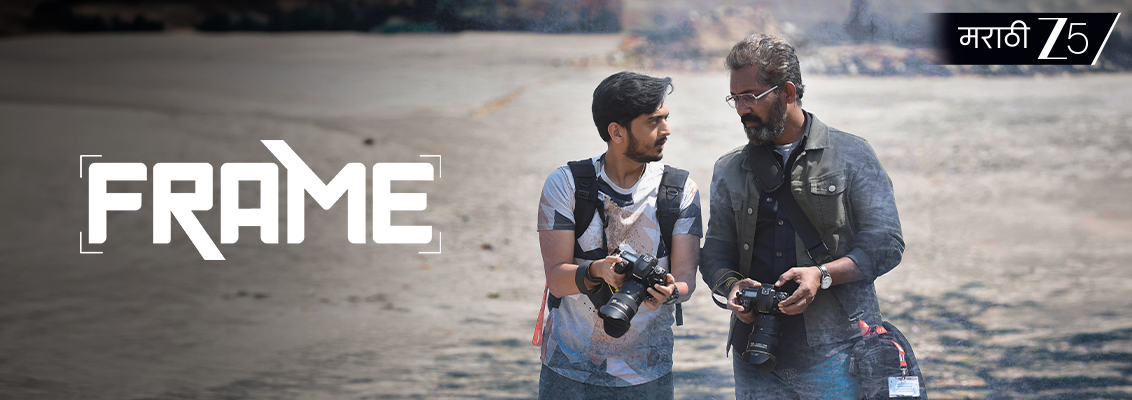
Frame enters this uncomfortable space through photojournalism, a profession where truth, responsibility and emotion can collide within seconds. The ethical dilemmas in Frame do not arrive with easy solutions. They ask you to question what you might do if every available choice carried a consequence.
Before deciding which side feels right, watch Frame on Zee 5 and allow both perspectives to challenge you.
Should a Photojournalist Document or Intervene?
A powerful photograph can expose injustice, preserve evidence and draw public attention towards an ignored issue. If the photographer puts the camera down, that important visual record may disappear forever.
But what happens when immediate human support feels more urgent than documentation?
This scenario is where professional duty becomes emotionally complicated. Recording an event can help people later, while intervention may help someone in that moment. Frame allows this conflict to remain unresolved long enough for viewers to understand why certainty becomes difficult in the field.
As you watch, ask yourself: would you still make the same choice if there were no time to think?
Does Capturing Suffering Risk Exploiting It?
Photojournalism often requires photographers to record grief, fear and vulnerability. Such images can give neglected individuals visibility, but they can also appear in newspapers, awards, and professional portfolios.
That creates another difficult question: when does documentation become exploitation?
The intention behind a photograph matters, but so does the dignity of the person inside it. Frame encourages viewers to look beyond the visual impact of an image and consider who benefits from its circulation.
The film does not accuse every photographer of chasing recognition. Instead, it examines how professional appreciation can gradually influence the way people evaluate a moment.
Can Ambition Exist Without Compromising Ethics?
Ambition is not automatically selfish. It motivates people to improve their craft, work harder and pursue opportunities. In journalism, however, the desire to capture a career-defining photograph can affect judgement.
Would the same image feel ethical if nobody offered recognition for it? Would a photographer make the same decision if their career had nothing to gain?
These questions make Frame more than a workplace drama. It looks at how easily dedication can shift into obsession when achievement becomes connected to personal identity.
Watch Frame on Zee 5 and notice how the camera represents more than a profession. It can also become a measure of success, purpose and self-worth.
Is Emotional Distance Necessary for Survival?
Professionals who repeatedly witness distress cannot carry every experience home. Emotional distance may help them continue working without becoming overwhelmed.
Yet too much distance can change how they see the people around them.
Frame explores this psychological boundary without treating sensitivity as weakness or detachment as cruelty. Both can be coping mechanisms, depending on the person and the situation.
This makes the debate more human. The film is not simply asking whether someone made a good or bad choice. It is interested in what years of making such choices can do to a person.
Who Decides What the Public Gets to See?
Every photograph contains a decision. The photographer selects the angle, timing and boundaries of the image. What remains outside the frame may be just as important as what appears inside it.
Audiences often treat photographs as complete records of reality, but they only preserve one perspective. Frame draws attention to this power without turning its message into a lecture.
The person behind the camera is not simply recording history. They are also influencing how others will remember it.
Why the Ethical Dilemmas in Frame Feel Personal
You do not need to be a journalist to connect with the questions raised by the film. Many professions demand emotional control, difficult judgement and choices between responsibility and compassion.
That is why the conflict feels familiar. You may begin by evaluating the characters, only to realise that the film is quietly examining your beliefs as well.
Do not settle for an answer before you have experienced the questions. Stream “Frame” on Zee 5, explore different viewpoints, and decide whether professional duty should ever silence the conscience.
Frequently Asked Questions About Frame
Who directed Frame?
Frame is written and directed by Vikram Patwardhan, who has professional experience in photojournalism.
Is Frame based on a real photojournalist?
The film is not confirmed to be the story of a specific photographer. It uses fictional characters to explore realistic professional concerns.
Which language is Frame available in?
Frame is an Indian Marathi language drama.
How long is Frame?
The movie has a runtime of approximately 1 hour and 55 minutes.
Has Frame received any awards?
Yes. The film received three honours at the 59th Maharashtra State Film Awards, including Best Film II, Best Director II and Best Supporting Actor for Amey Wagh.